HOME / Technology / R&D Capabilities

From Physical AI to the vehicle-readySmart cockpit experience

JET OPTO turns smart cockpit concepts into verifiable, manufacturable, mass-producible automotive electronics solutions, integrating sensing, display, embedded software, connectivity, mechanical, and manufacturing capabilities.

01Engineering the cockpit as an experience platform.

Software-defined vehicles are changing the cockpit from a fixed hardware interface into an updatable, personal, connected digital platform. JET OPTO connects display, imaging, AI perception, HMI, embedded software, hardware design, validation, and production so every screen, camera, alert, and connected feature can become part of one coherent in-vehicle experience.

  • From screen-level product design to system-level cockpit integration
  • Automotive-grade development shaped for reliability, manufacturability, and scale
  • Passenger experience, safety awareness, and connected mobility developed together
AI PerceptionDisplay & HMIEmbedded SoftwareHardware & Mechanical IntegrationValidation & ManufacturingOEM / ODM Support
Engineering the cockpit as an experience platform.
In-House Laboratories

02In-house laboratories keep validation in our own hands

The hard part of an automotive product is not building it — it is proving it holds up. JET OPTO runs its own environmental, EMC, imaging-optics and rapid-prototyping facilities, so problems surface and get fixed internally before customer and third-party testing. Fewer round trips, and every delivery backed by measured data.

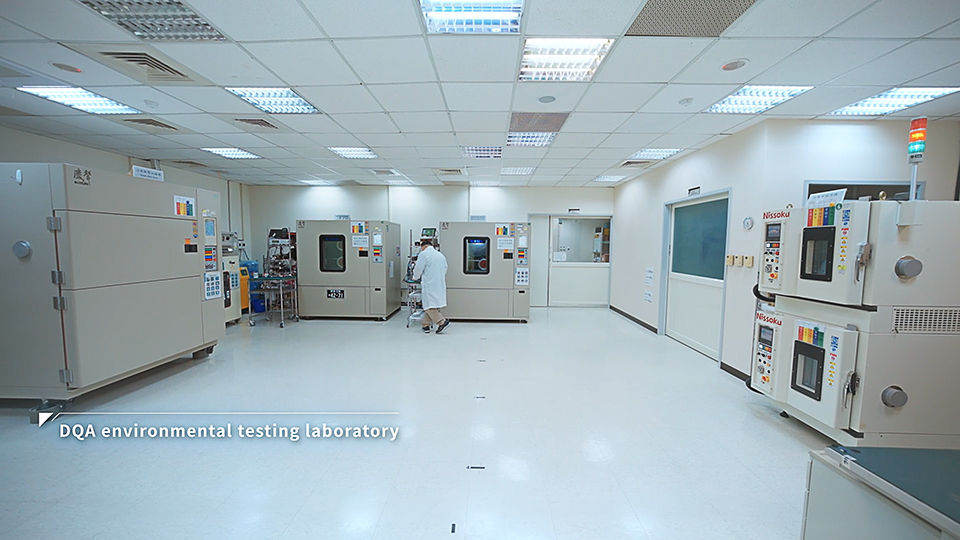
DQA environmental testing laboratory
Lab 01

DQA environmental testing laboratory

A full room of environmental chambers running in parallel — thermal shock, high/low temperature, humidity and life testing at the same time, so validation schedules for different programs never queue behind one another.

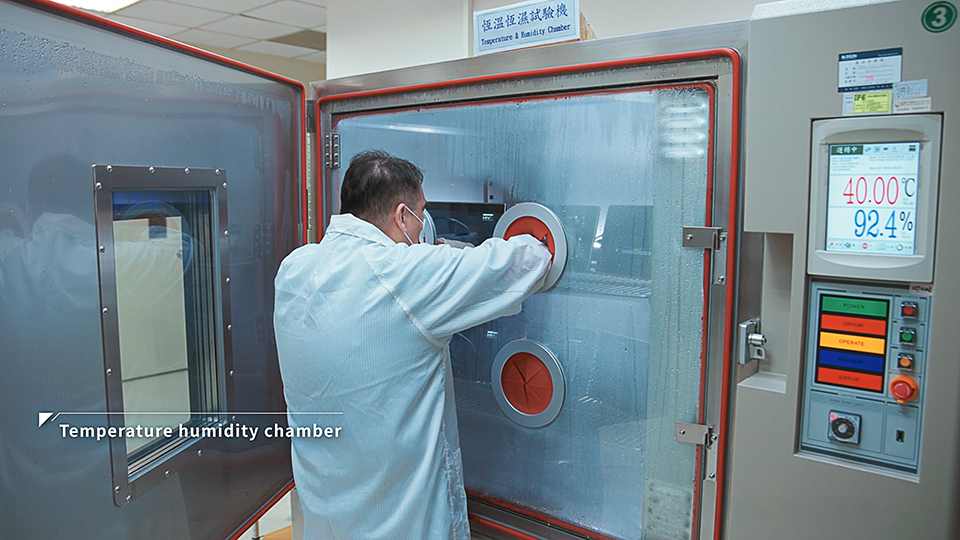
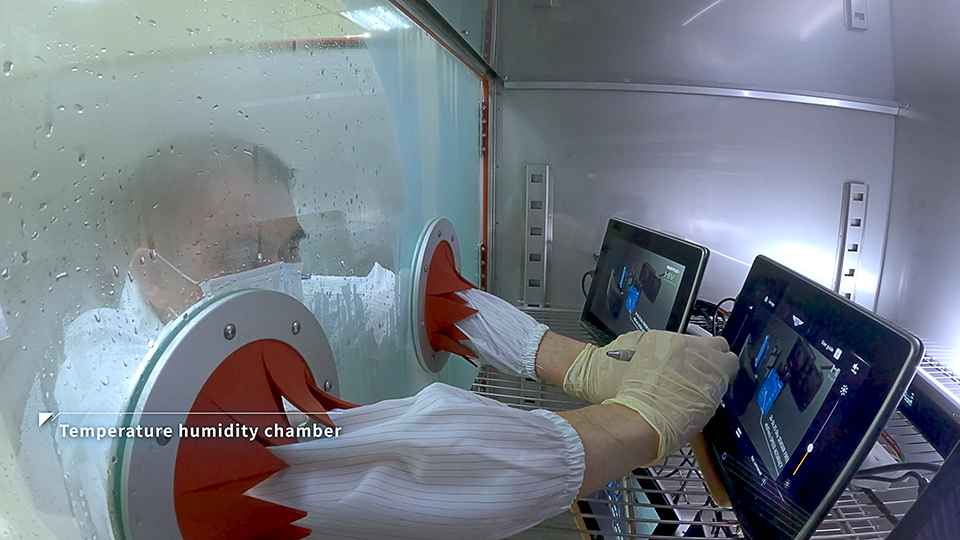
Temperature & humidity chamber
Lab 02

Temperature & humidity chamber

Temperature and humidity profiles are set to automotive conditions and logged throughout. The chamber shown is running at 40°C / 92.4% RH, reproducing the hot, humid cabin that electronics must survive for hours on end.

Powered testing under heat and humidity
Lab 03

Powered testing under heat and humidity

Engineers reach through glove ports to operate powered automotive displays inside the chamber — not just checking that a unit survives, but confirming that functions and images still behave correctly under extreme conditions.

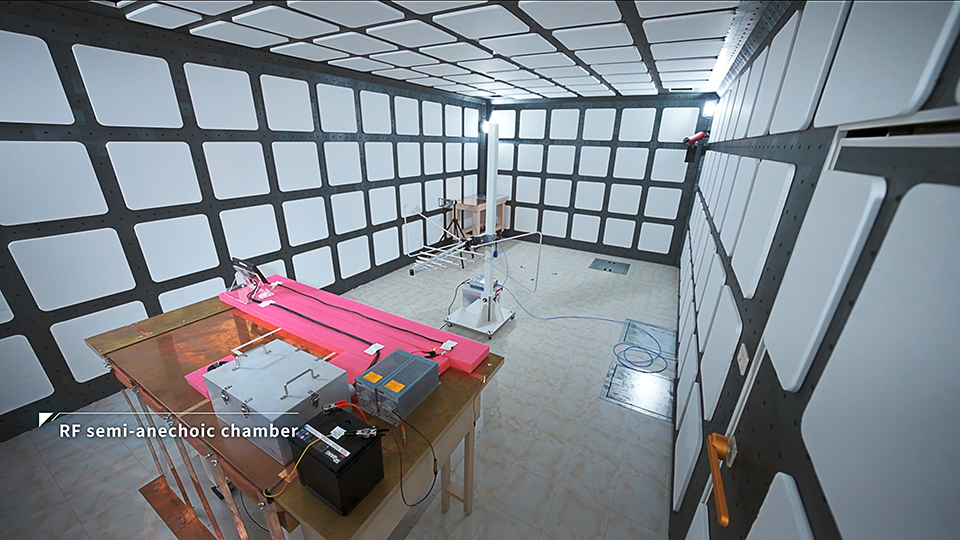
RF semi-anechoic chamber
Lab 04

RF semi-anechoic chamber

Absorber-lined walls and ceiling, a copper ground plane bench and automotive power simulation support radiated and conducted EMC measurement — so interference is found before shipment, not after.

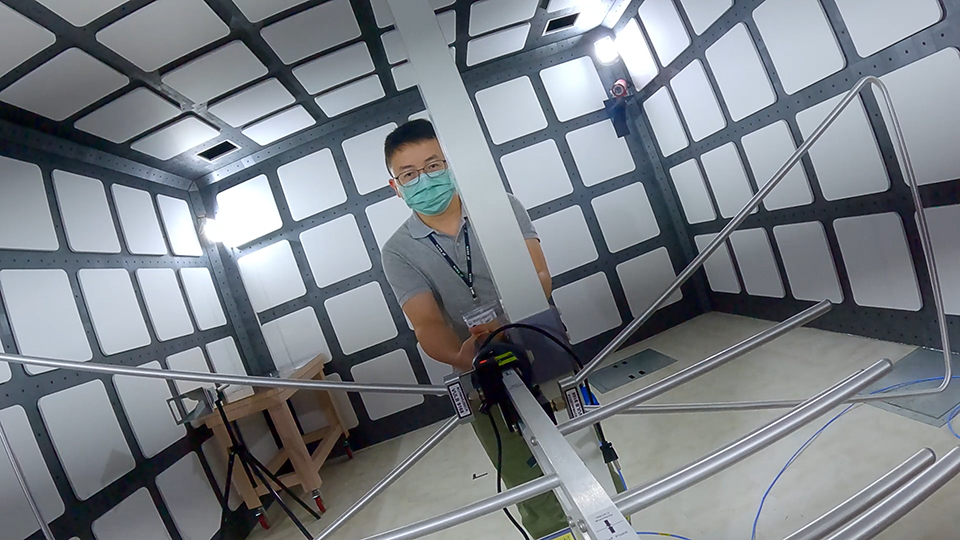
EMC antenna measurement
Lab 05

EMC antenna measurement

Antenna position and polarisation are adjusted to sweep emissions and immunity band by band, against the EMC requirements set by vehicle makers.

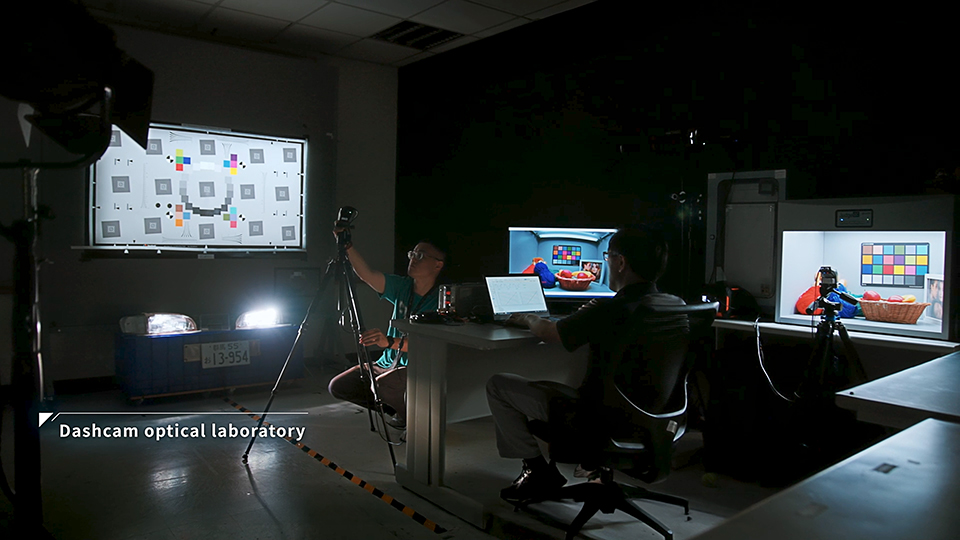
Imaging & optical darkroom
Lab 06

Imaging & optical darkroom

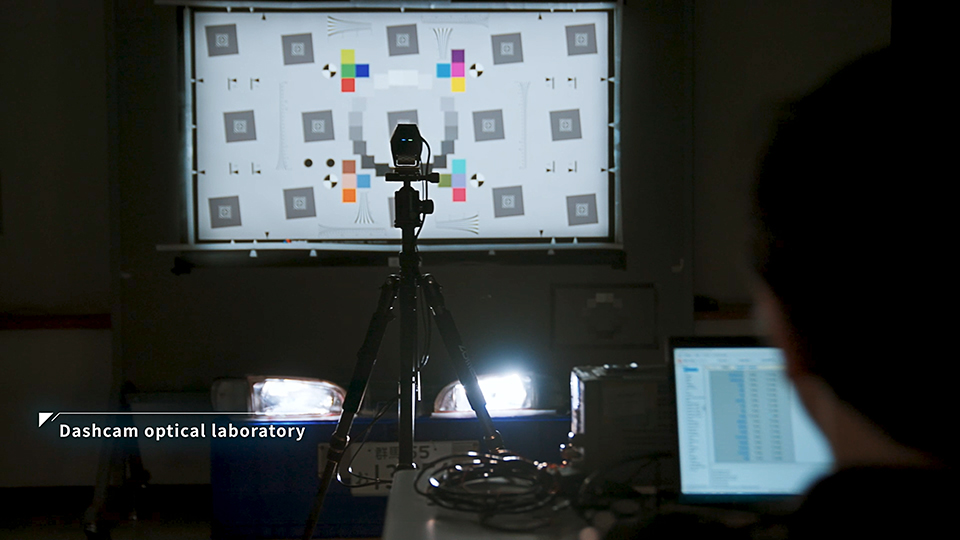
Resolution charts, colour checkers, standard light sources and real licence plates share one controlled-light room, so lens and image-processing behaviour is verified against real-world subjects.

Resolution & colour measurement
Lab 07

Resolution & colour measurement

Cameras are aligned to a backlit test chart to measure resolution (MTF), colour reproduction and low-light performance, with data logged live as the basis for tuning.

Professional 3D printing
Lab 08

Professional 3D printing

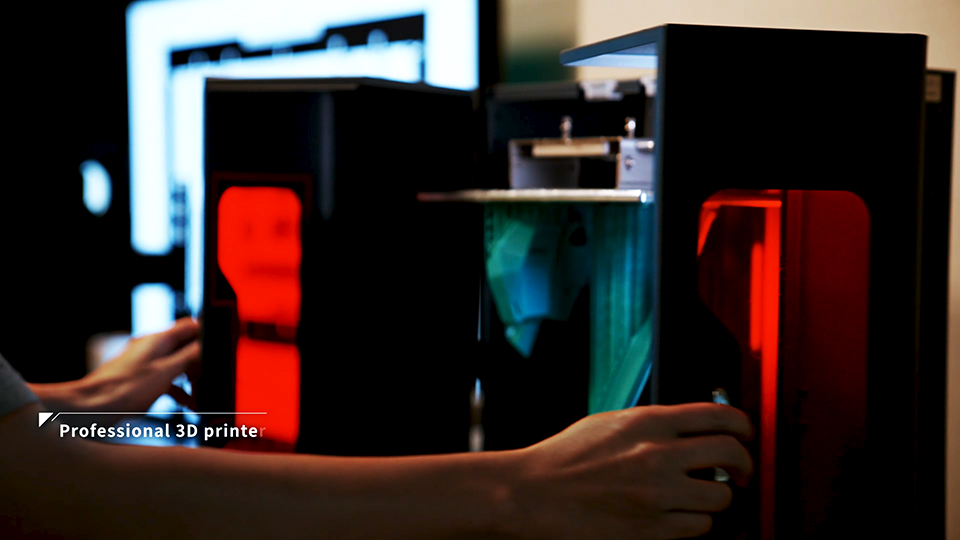
Resin 3D printers turn mechanical parts around in hours, so housing, structure and in-vehicle mounting details can be fitted and revised repeatedly before tooling is cut.

Automotive Reality

03From Concept to Vehicle Integration

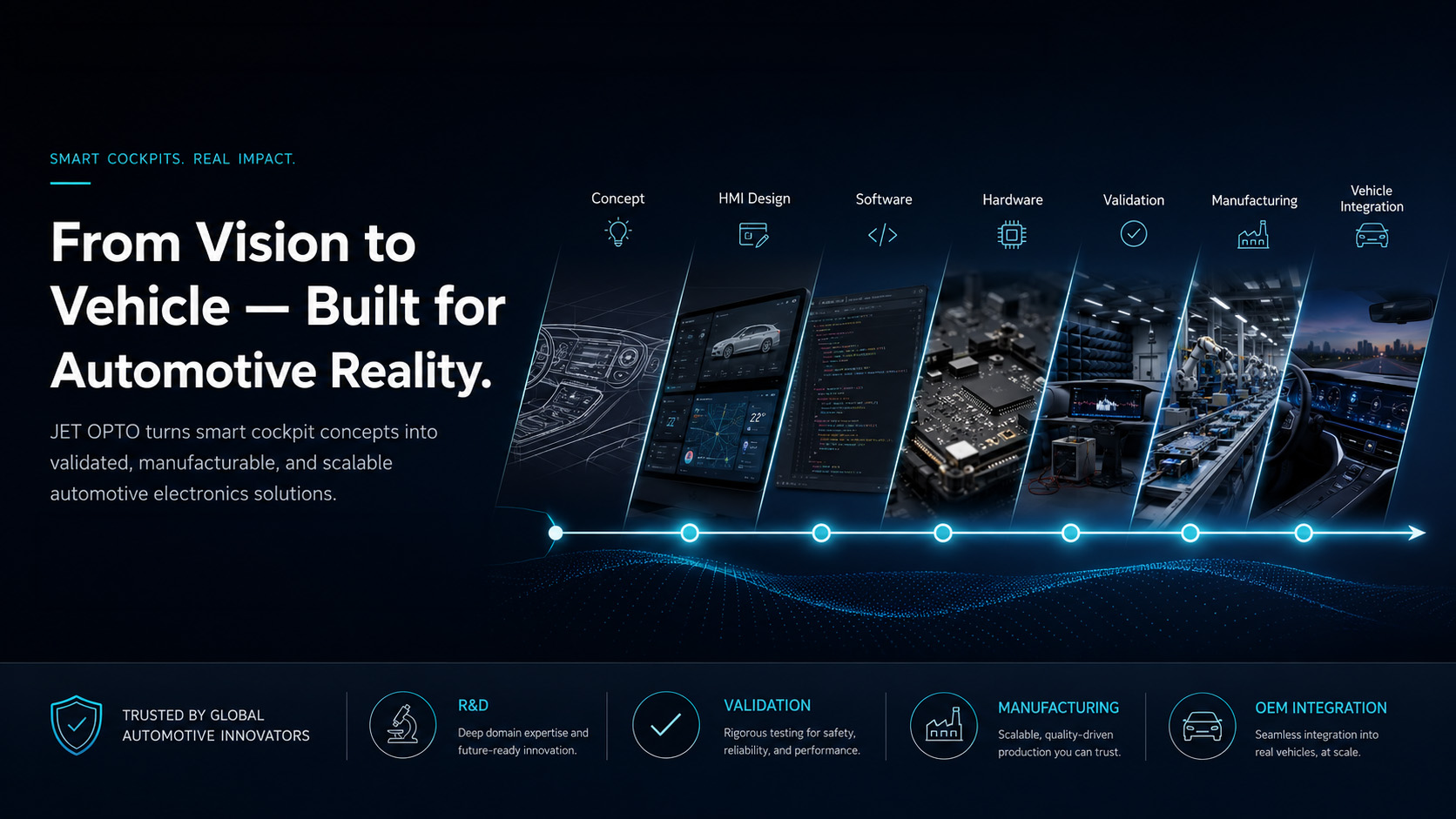
The value of smart cockpit R&D is not only the idea, but the ability to make it reliable, repeatable, and ready for customer programs.

  1. 01

    Concept

    Vehicle positioning and use cases become an executable cockpit spec.

  2. 02

    HMI Design

    Flow, type size and night-time legibility proven on models first.

  3. 03

    Embedded Software

    Android / Linux architecture and MCU firmware developed in parallel.

  4. 04

    Hardware Engineering

    Circuit and PCB layout, with thermal and EMC assessed early.

  5. 05

    Validation

    Environmental, EMC, optical and functional testing in our own labs.

  6. 06

    Manufacturing

    SMT and system assembly in Kaohsiung; system assembly in Suzhou.

  7. 07

    Vehicle Integration

    Fitted and verified in the vehicle before production release.

Experience + Engineering

04Six Technology Narratives, One Integrated Capability

Experience design, AI perception, software and hardware integration, validation and vehicle-ready manufacturing — six pillars that together define how JET OPTO develops a cockpit.

Physical AI Smart Cockpit
01

Physical AI Smart Cockpit

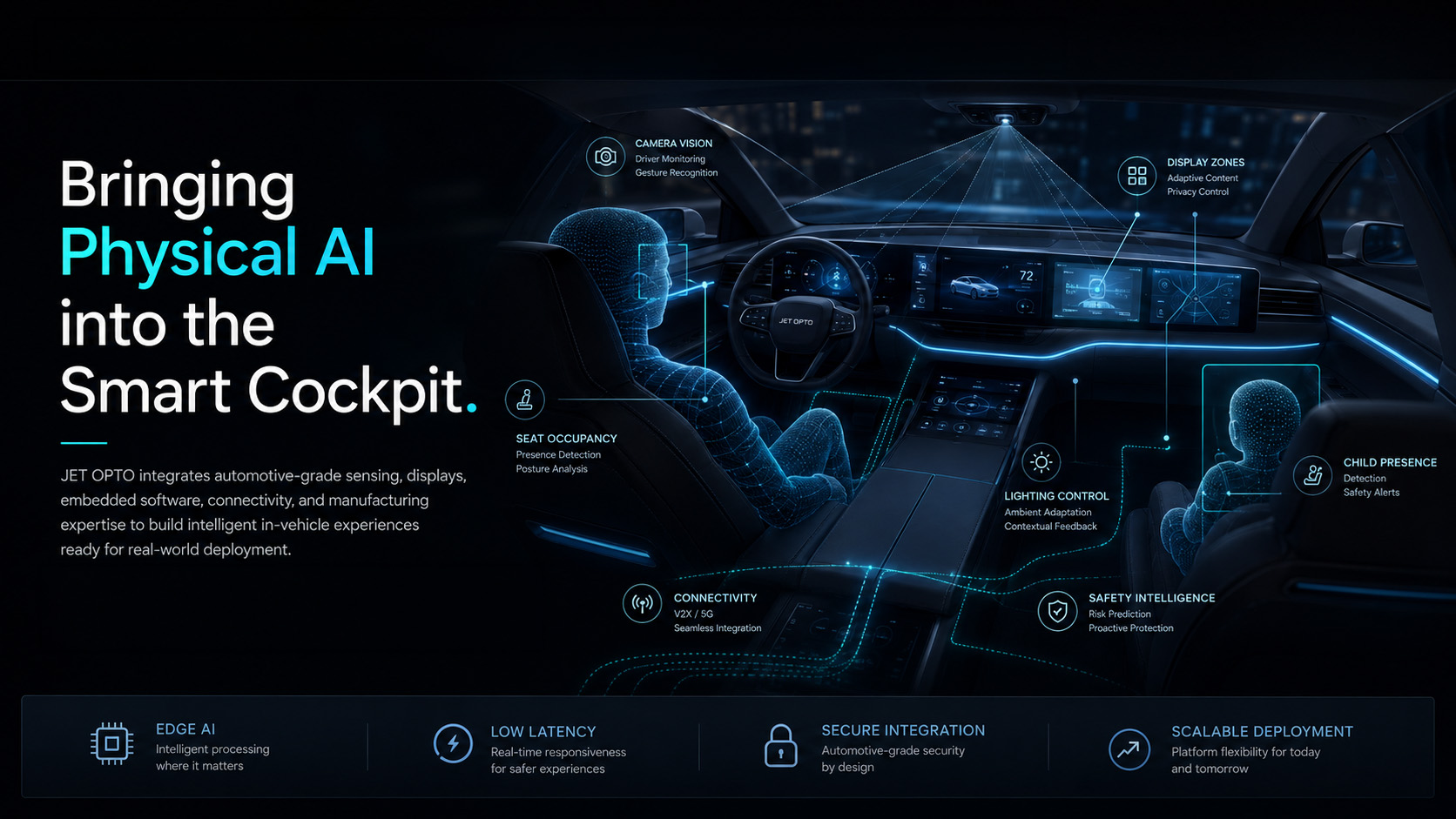
Bringing Physical AI into the smart cockpit means sensing real seats, real occupants, real lighting, and real vehicle conditions, then turning that context into useful in-cabin responses.

Every Seat Has a Story
02

Every Seat Has a Story

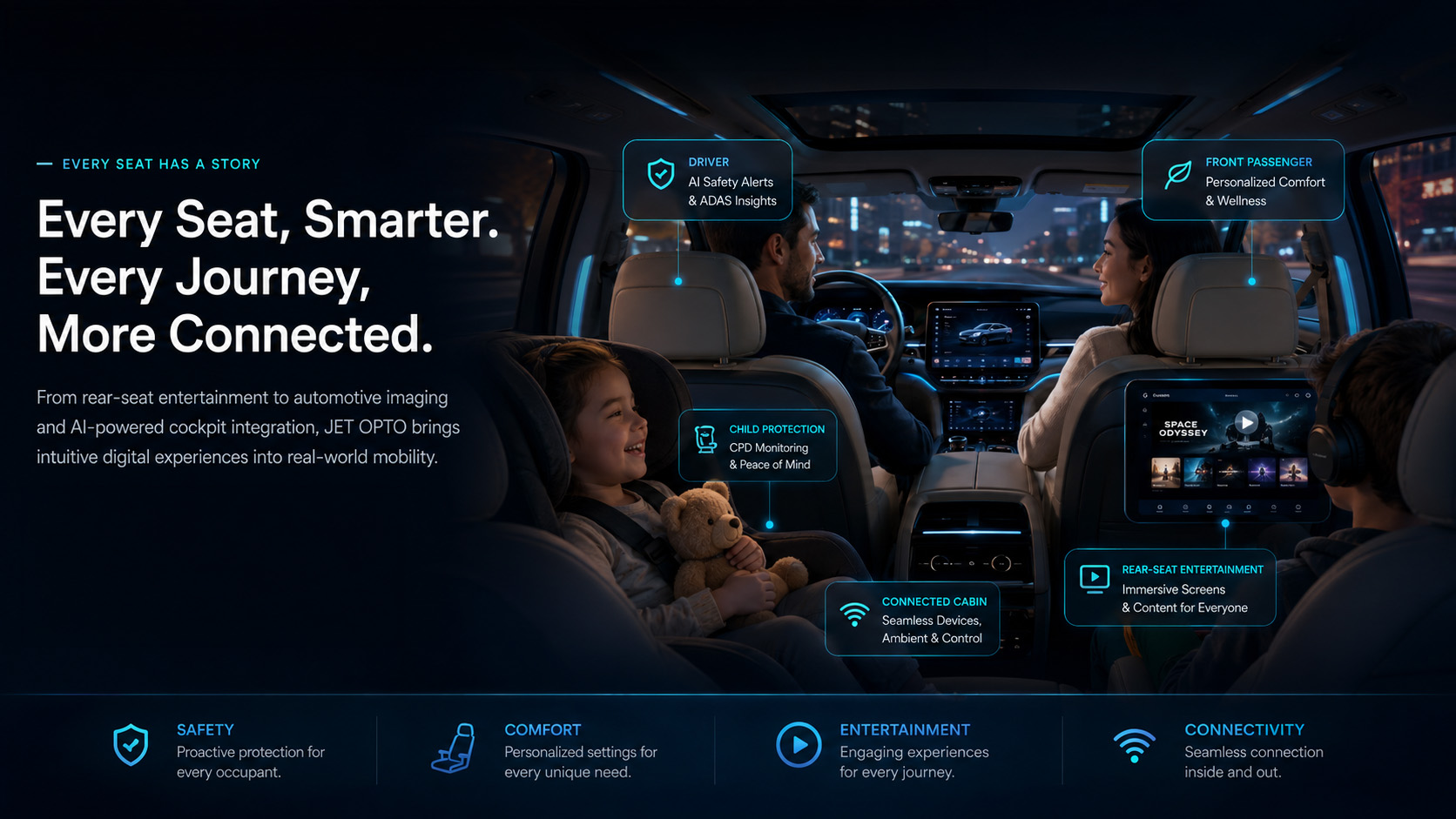
From rear-seat entertainment to driver alerts, child presence detection, passenger comfort, and connected devices, every occupant role becomes part of the design brief.

Screen to System Engineering
03

Screen to System Engineering

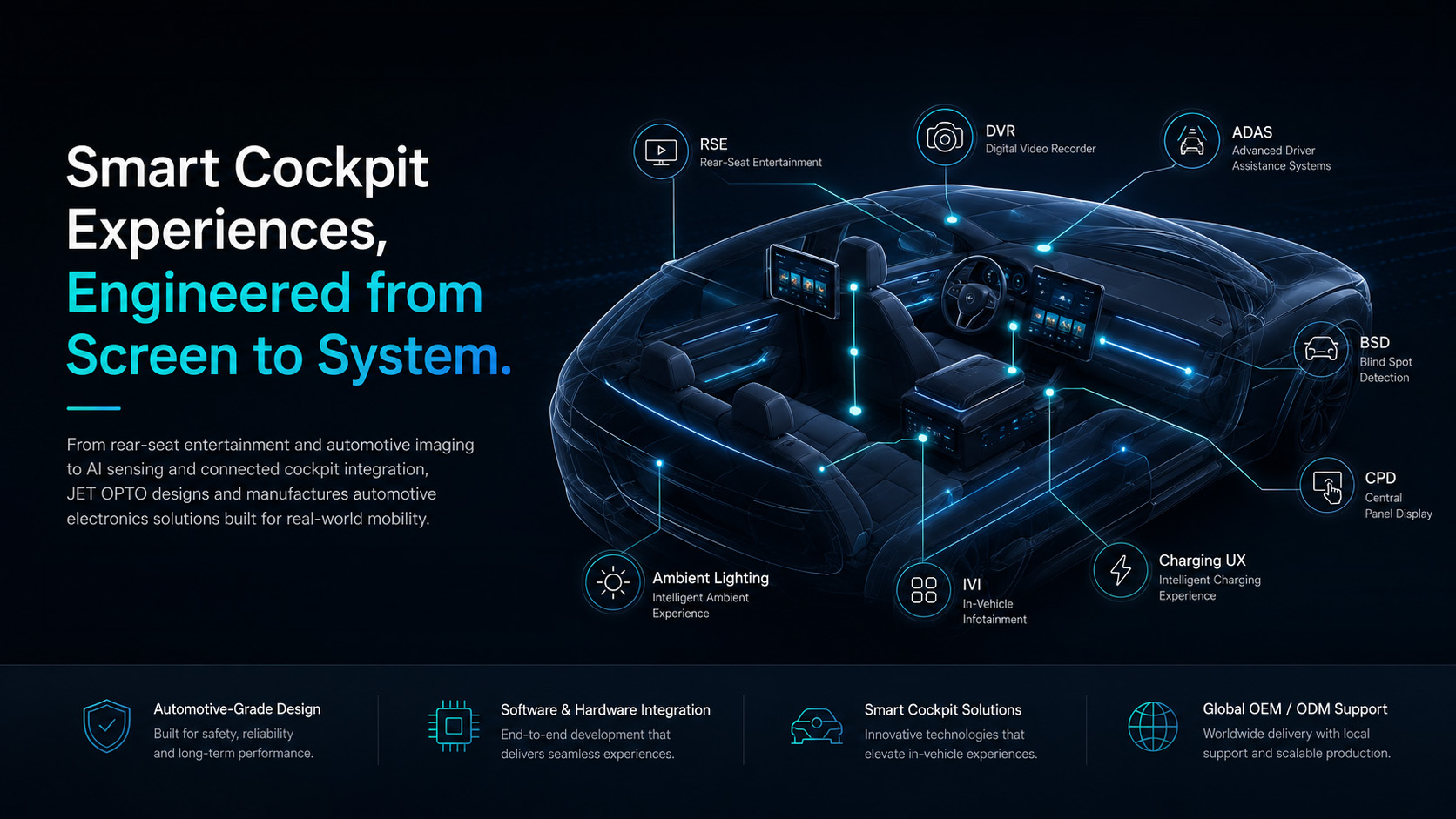
JET OPTO engineers beyond displays, connecting RSE, IVI, imaging, sensing, HMI, software, hardware, and manufacturing into a complete cockpit solution.

From Vision to Vehicle
04

From Vision to Vehicle

Concept, HMI, software, hardware, validation, manufacturing, and vehicle integration are developed as one path from idea to automotive reality.

Invisible Engineering
05

Invisible Engineering

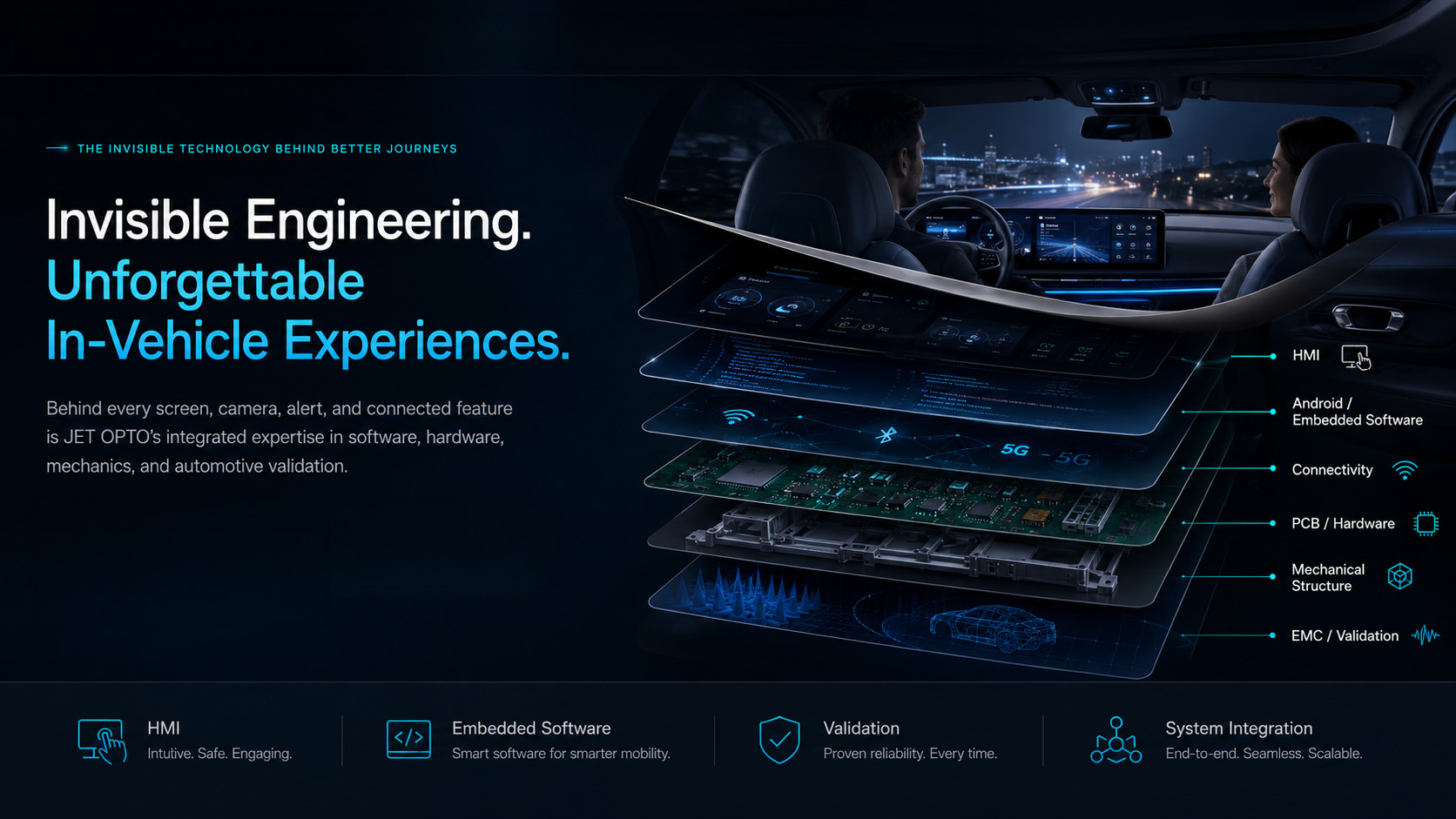
Behind every visible experience sits the less visible work: Android and Linux layers, MCU firmware, embedded security, in-vehicle communication, PCB, EMC, and validation.

One Cabin Ecosystem
06

One Cabin Ecosystem

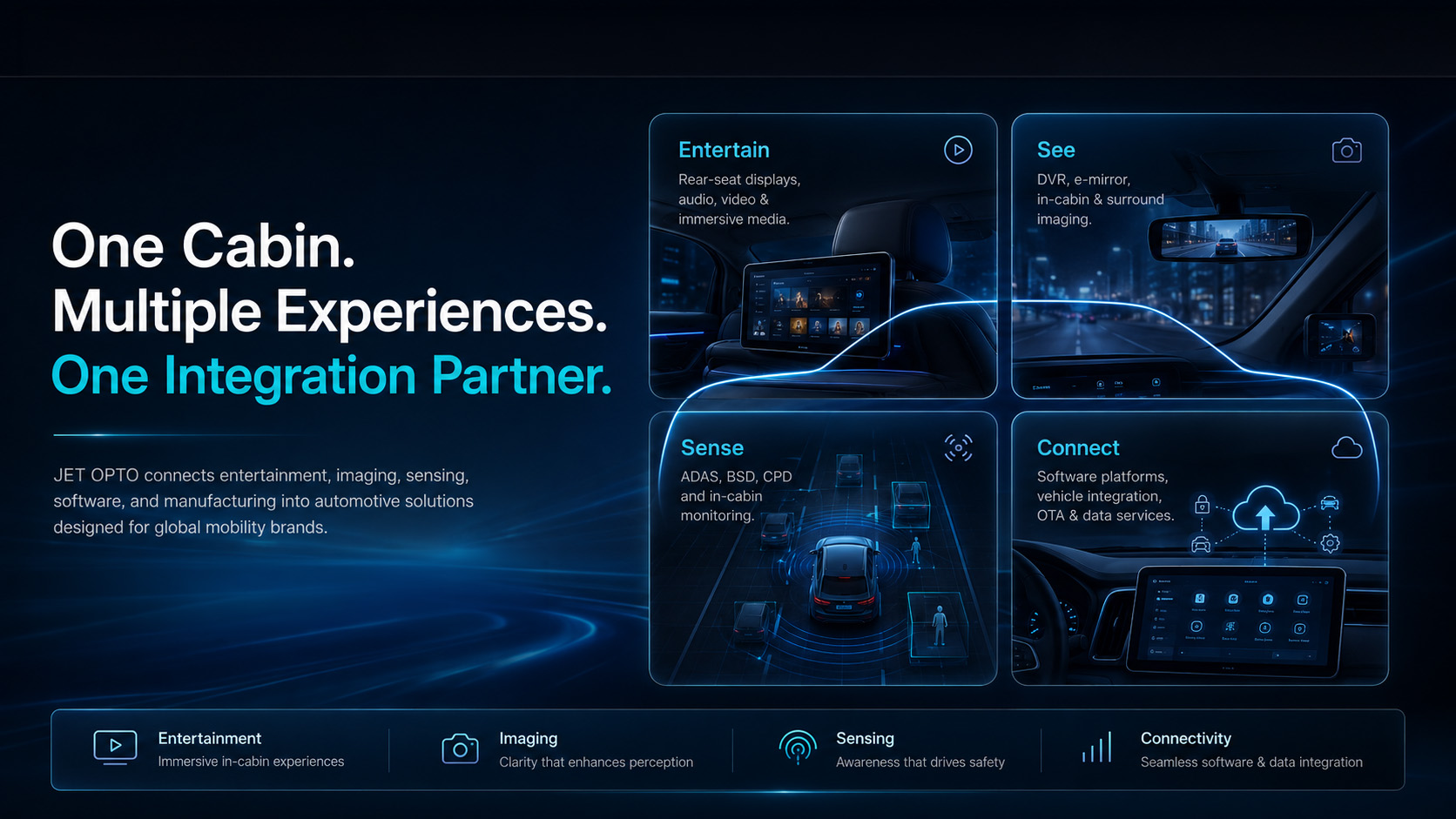
Entertainment, imaging, sensing, software, app connectivity, cloud readiness, and production know-how work together as one smart cabin ecosystem.

Engineering Capability

05Core R&D Capabilities

JET OPTO combines cross-functional engineering with automotive development discipline, helping global customers move from early concept to validated, manufacturable products.

Software & HMI
Capability 01

Software & HMI

  • Android architecture, Linux kernel, application framework, and applications
  • MCU firmware, HMI, in-vehicle communication, and embedded security
  • Software and hardware integration for low-latency cockpit experiences
Hardware & Imaging
Capability 02

Hardware & Imaging

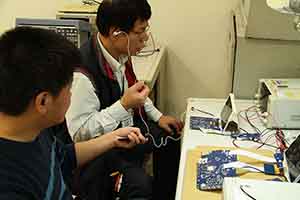
  • Automotive electronics circuit design and PCB layout
  • DVR, camera, display, Wi-Fi, Bluetooth, and multi-camera integration
  • WCCA, DFMEA, EMC-aware design, and reliability-driven engineering
Mechanical Design
Capability 03

Mechanical Design

  • Product appearance, mechanical, packaging, and in-vehicle installation design
  • FEA, DFMEA, tooling introduction, and manufacturability review
  • HMI details shaped by real in-vehicle usage scenarios
Validation & Manufacturing
Capability 04

Validation & Manufacturing

  • Automotive development process and documentation management
  • Design verification, system validation, and production readiness
  • OEM / ODM support from engineering sample to scalable manufacturing

06Technology Focus

A practical cockpit roadmap connects passenger experience, driver awareness, connected software, and automotive-grade execution.

RSE / IVIDVR / ImagingADAS / BSD / CPDAmbient LightingMobile & ConnectivityCharging UX
Technology Focus

Engineering the cockpit as an experience platform.

Software-defined vehicles are changing the cockpit from a fixed hardware interface into an updatable, personal, connected digital platform. JET OPTO connects display, imaging, AI perception, HMI, embedded software, hardware design, validation, and production so every screen, camera, alert, and connected feature can become part of one coherent in-vehicle experience.

Talk to Our Team View Product Lines